|
|
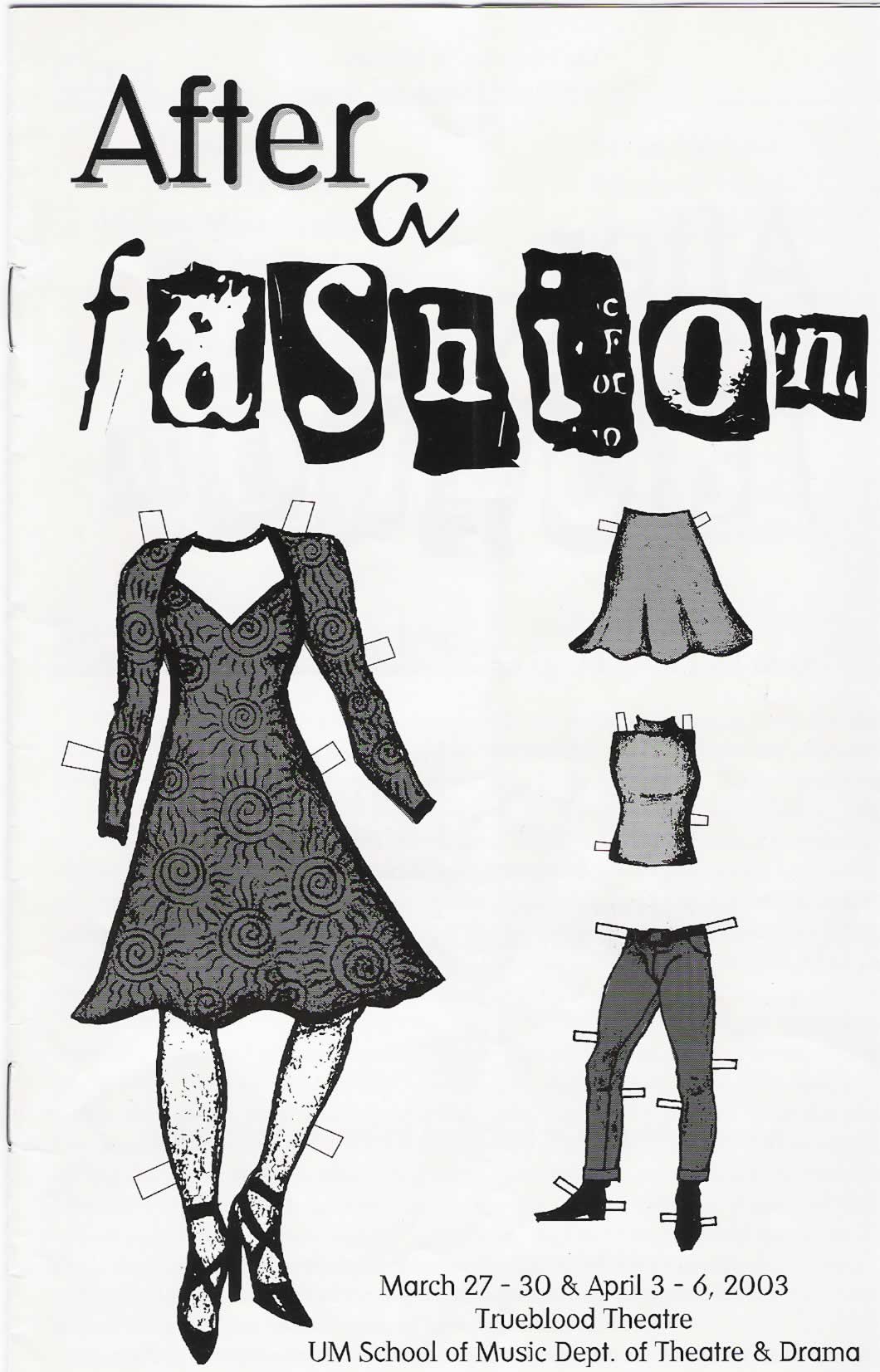
After A Fashion - Ann Arbor
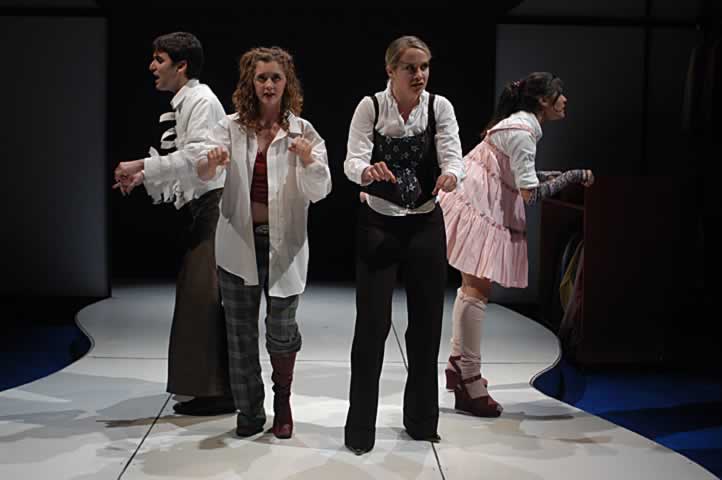
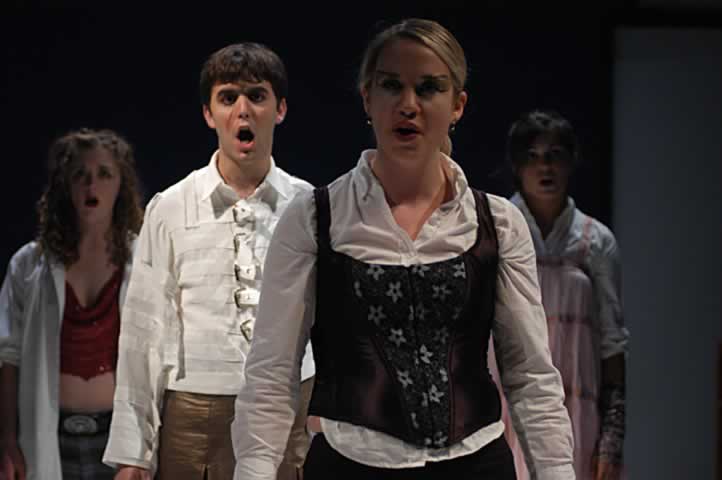
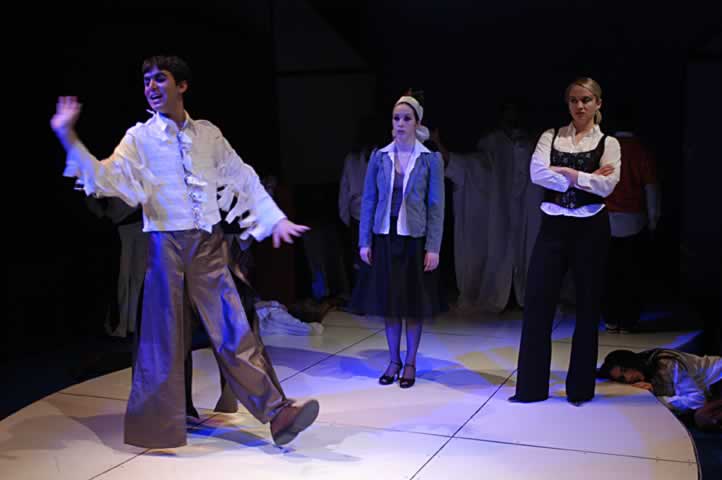
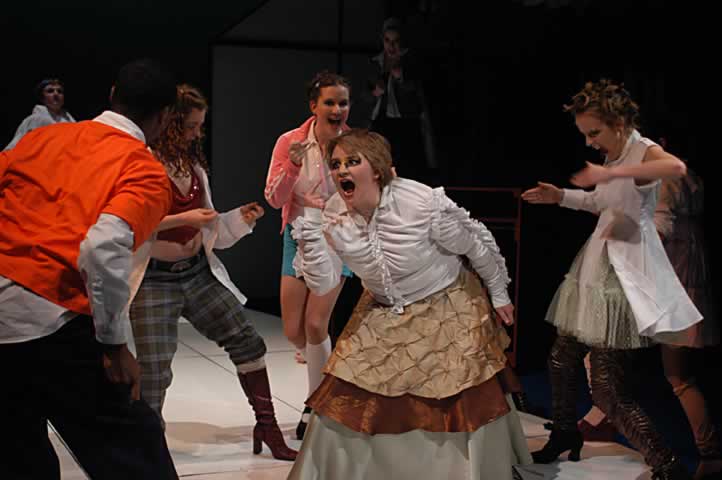
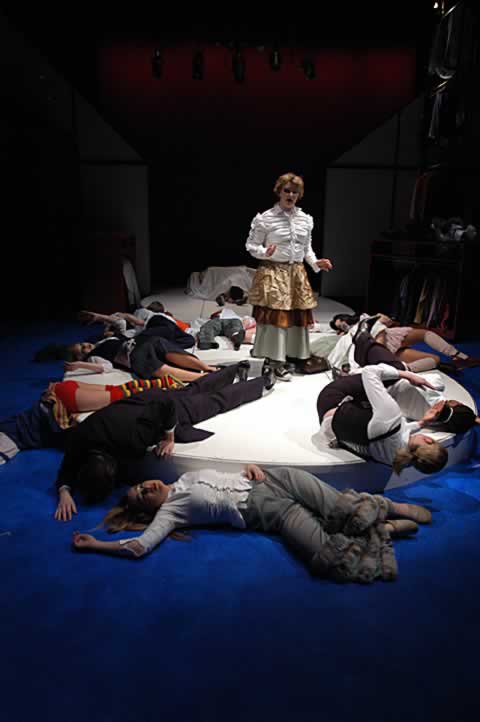
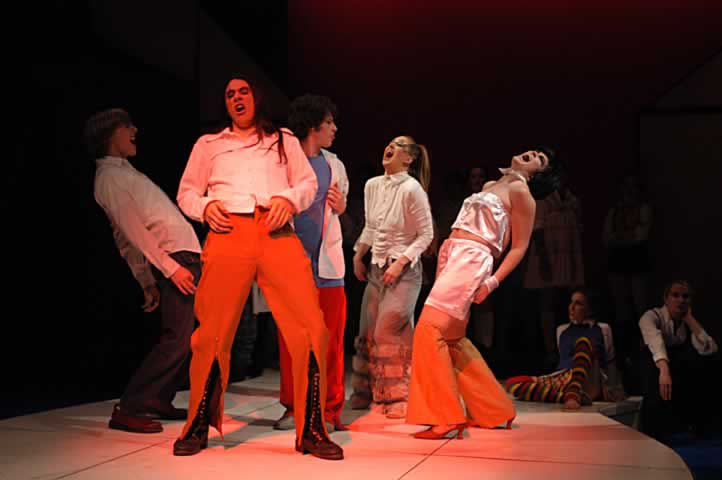
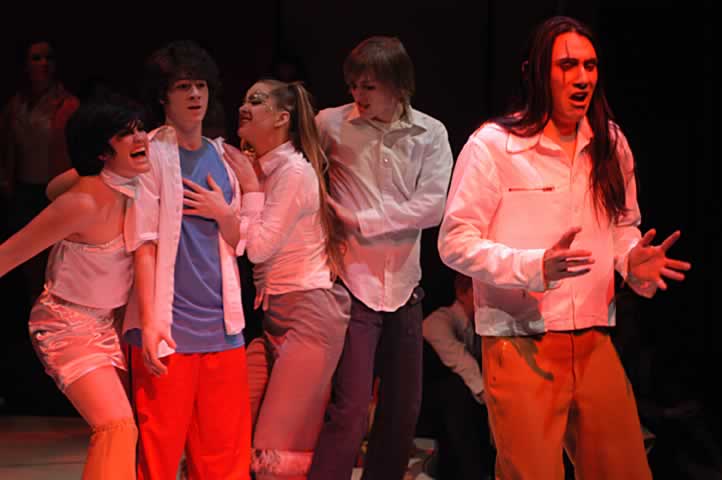
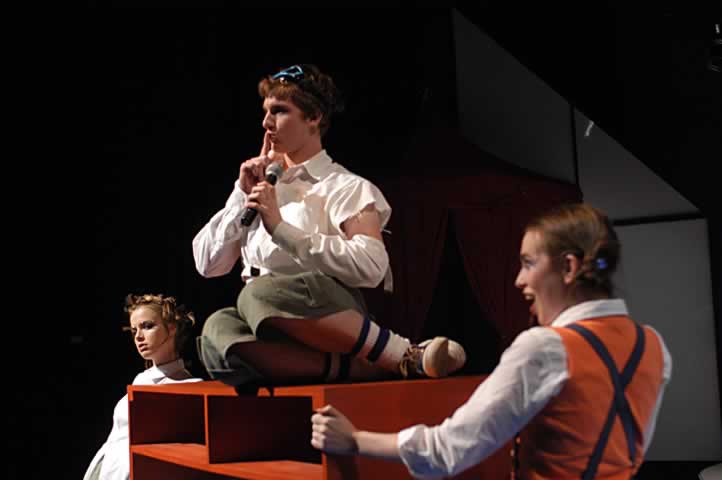
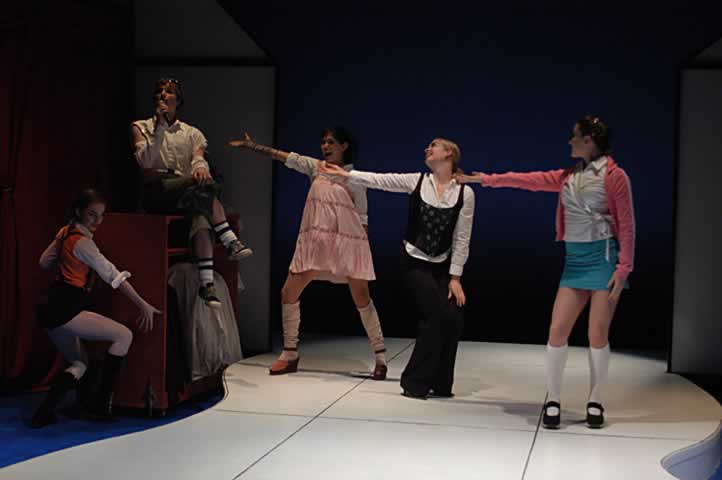
Directed by Holly Hughes with Brian Lobel and James Leija
Presented at the Trueblood Theater at the University of Michigan - Ann Arbor, March 27th - April 5th 2003
The Cast:
Dave Abed; Katherine Banks; Kirsten Benjamin; Kevin Bradley Jr.; Rachel Chapman; Zach Dorff; Susan Fawcett; Leigh Feldpausch; Taryn Fixel; Jen Freidel; De'Lon Grant; Bryan Heyboer; Beth Hoyt; Joseph Keckler: Josh Lefkowitz; Logan Lipton; Erin Markey; Kellie Matteson; Meghan Powe; Francesca Ramsey; Christina Reynolds; Joanna Spanos
The Production Crew:
Stage Manager - Mandy Heuermann; Costume Design - Caprice Esser; Lighting Design - Christian D'Angelis; Set Design - Caleb Levengood
________________________________________________________________________
ACT ONE ACT TWO
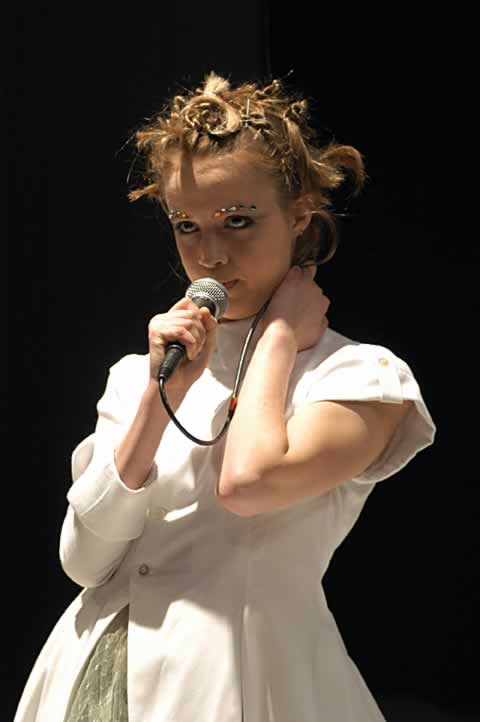
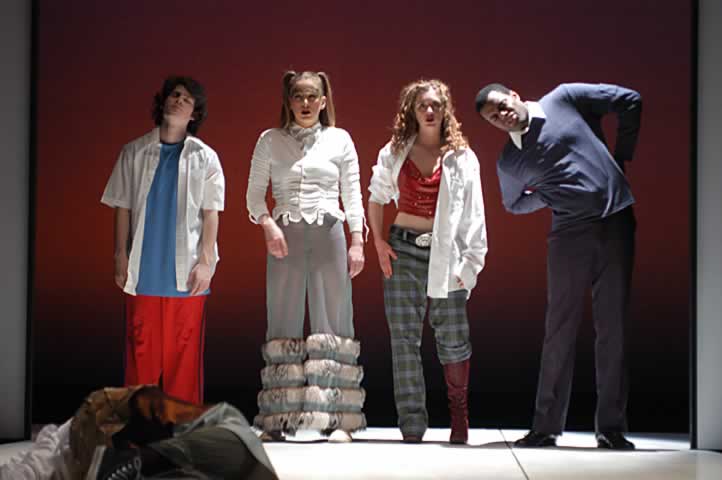
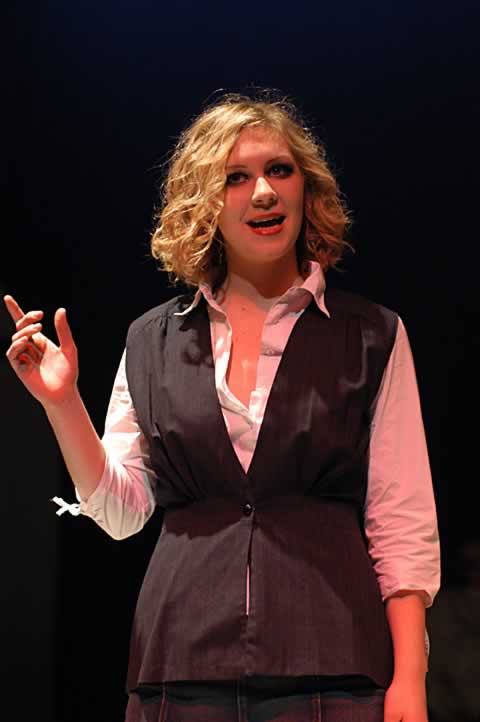
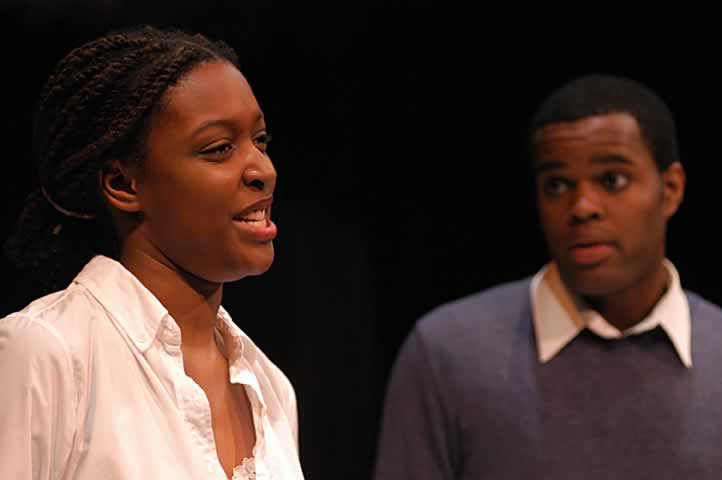
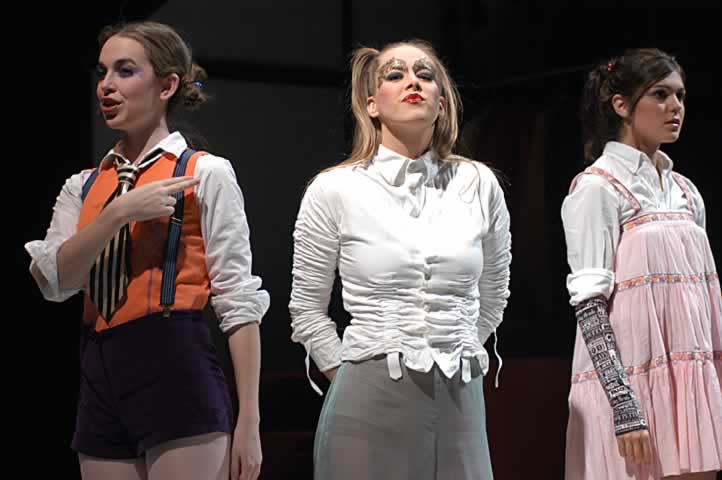
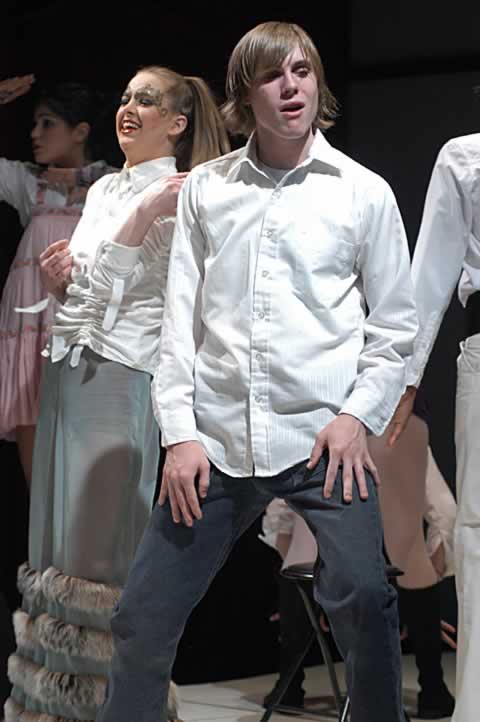
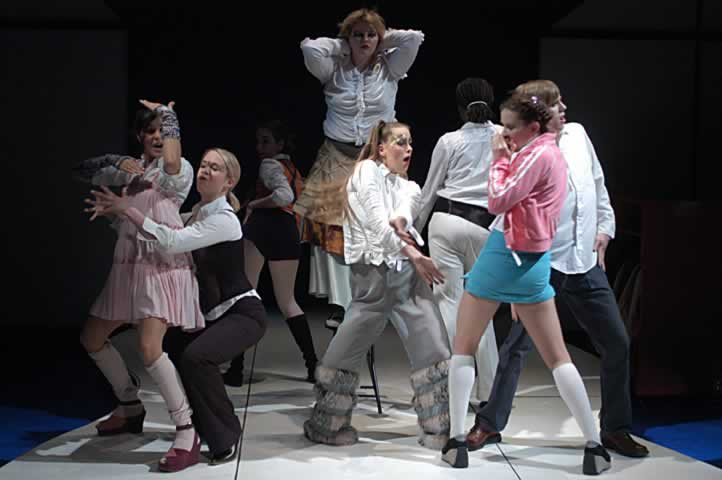
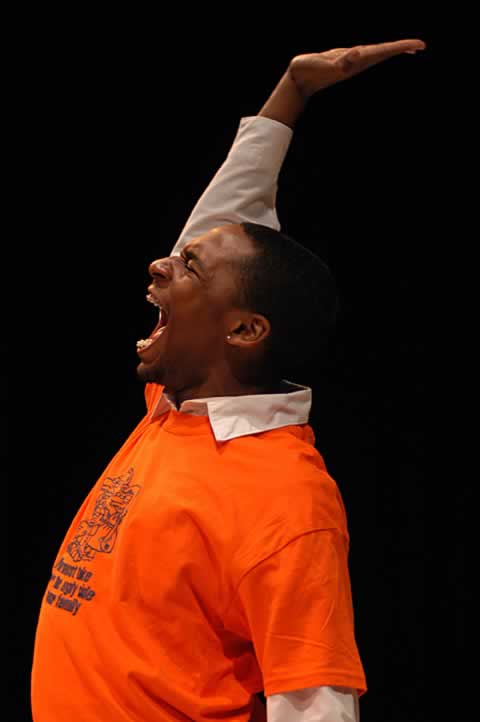
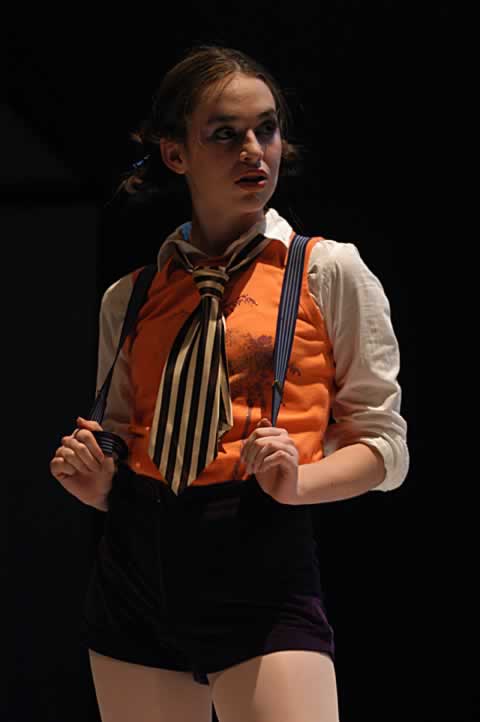
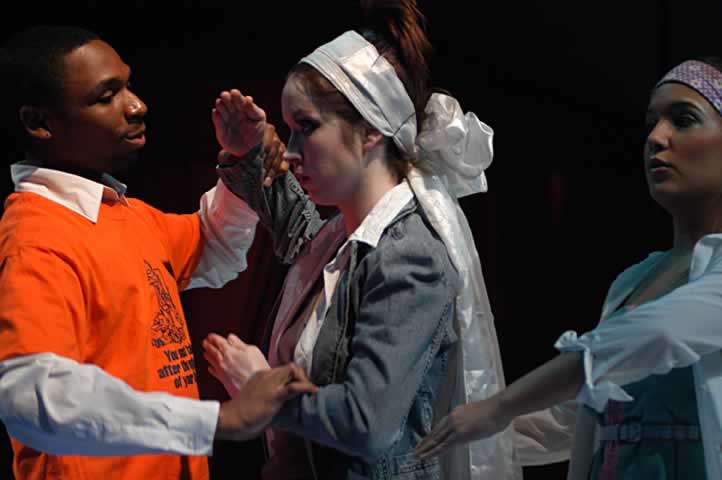
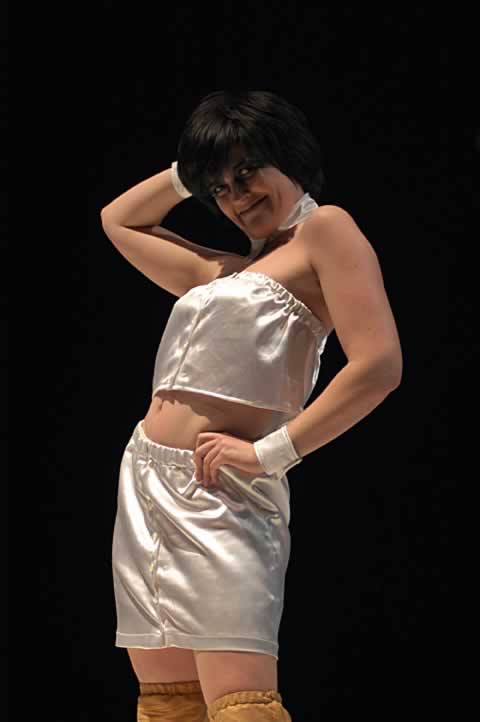
Click on the thumbnails to see a full-sized picture. All photos provided by Peter Smith Photography, Ann Arbor.
 |
 |
 |
 |
 |
 |
 |
 |
 |
 |
 |
 |
 |
 |
 |
 |
 |
 |
 |
 |
 |
A little more about the process of After A Fashion by one of its cast members:
After a Heterogeneous Idea: by Joseph Keckler
In African-American Musicology there is a term, "heterogeneous sound ideal," that describes an aesthetic in which the instruments do not unify to create a single voice. Rather, each instrument remains distinct. In the heterogeneous sound ideal, there is a shifting hierarchy where no instrument is ultimately more sonically prominent than any other. One may think of jazz, where the instrumentalists take turns doing solos over the “comping” of the other instruments. Originating more in community practice than high art, this artistic approach differs from, say, western symphonic music. I like to think of After a Fashion as possessing a similar "heterogeneous ideal".
After a Fashion was an organized collaboration among students who were speaking from a variety of ideas and identities. It became clear very early that students had disparate political ideas, tastes, and theatrical approaches. In order to generate work, Holly would conduct simple writing exercises such as “Make a list of garments in your wardrobes.” Then she would divide us into small groups and say, “Using the lists you just made, create a musical in three acts. You have five minutes.” Being forced into collaboration, we were able to reconcile conflicts very quickly and immediately create work over which we felt group ownership. There was little opportunity for reflection-- no time to inspect the work according to the political correctness checklist or test it for sturdy theoretical foundation .
In some our discussions about the work, differing opinions would emerge. Holly’s strategy for resolution was often to recommend that these conversations be scripted and appropriated into the work. The show also included intimately juxtaposed autobiographic material generated by the performers, musical numbers, soundscapes, and choreographed rituals of everyday life.
The final result was a very slick non-linear show that did not disclose a single message; there was no moral trajectory. For instance, some of the segments reflected unexamined anxiety around body image and gender convention. Other segments presented highly critical-- even didactic-- stances on fatphobia and homophobia. Yet other numbers, when isolated, seemed even to endorse rigid conventions of gender and body image. Juxtaposed, the different pieces complicated one another. The single message that the pieces served to illustrate, was, perhaps, these anxieties are not resolved.
After a Fashion alternately presents and critiques many of those anxieties about body image, sexuality, gender, and race that exist in the American Psyche. While After a Fashion includes threads of contemporary feminist thought, queer theory, and black consciousness, it is not a rhetoric-driven piece. Its focus is more on the colorful and incongruous lived experiences of different individuals.
The making of After a Fashion brought together students of various disciplines-- primarily Art and Theatre, but also students from Women's Studies, Creative Writing, and Sociology. ( We could use ‘Art’ and ‘Theatre’, however, to describe the respective ideals of the two social groups that emerged in the process.) The eventual productive interface between art and theatre students depended, in a way, on their initial subcultural clash. In the making of the piece, the participants developed a common language, while preserving their mother tongues-- so to speak.
Small groups and individuals moved in and out of the fore, as the ensemble receded in prominence, often creating supportive a capella soundscapes. After A Fashion riffed on several recurring themes, operating very much by a kind of jazz logic, dependent as it was on improvisation difference, and exchange.